 admin
adminWhen you're renting your home, it's easy to assume estate planning isn't something you need to think about. After all, you don't own real property. But what about the furniture you've carefully selected, the art on your walls, or the digital photo albums holding years of memories? These possessions have both financial and sentimental value that deserves protection and clear direction.
Many renters accumulate significant assets beyond traditional property ownership. Your curated living space represents your taste and history, while your digital footprint may contain valuable accounts and irreplaceable personal data. Without proper planning, state laws determine what happens to these assets, which might not align with your wishes.
The good news is that creating a basic estate plan as a renter is simpler than you might think. With some straightforward steps, you can ensure your cherished possessions go to the right people while making the administrative process easier for your loved ones during a difficult time.

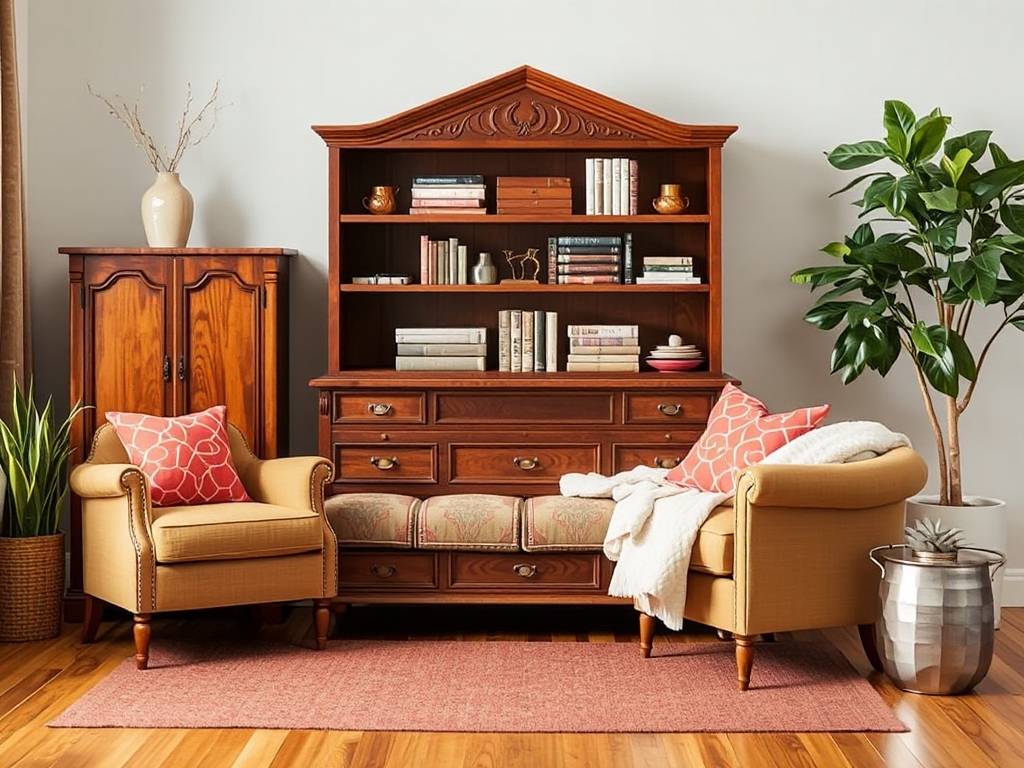
Let's start with documenting what you own. Create a comprehensive inventory of your physical possessions, focusing on items with monetary or sentimental value. Don't just list "sofa" - note that it's a mid-century modern piece purchased from Design Within Reach in 2021. For valuable items like jewelry, art, or collectibles, include purchase receipts and recent appraisals if available.
Digital assets require their own inventory. List your devices (computers, tablets, smartphones), online accounts (email, social media, financial), and digital files (photos, documents, creative projects). Include domain names, cryptocurrency wallets, and any income-generating online businesses. For each account, note whether it has monetary value, sentimental value, or both.
Now consider who you want to inherit these assets. Your beneficiaries might include family members, friends, or charitable organizations. Think about which people would most appreciate specific items - your sister who always admired your vintage lamp collection, or your best friend who helped you select every piece in your living room.
For physical possessions like furniture, you have several options for formalizing your wishes. A will is the most straightforward document for leaving tangible personal property. You can be as general or specific as you like - "I leave my entire furniture collection to my partner, Alex Jordan" or "I leave my Eames lounge chair to my brother, Michael Chen."
If you have particularly valuable furniture or collections, consider a personal property memorandum. This separate document referenced in your will allows you to list specific items and their recipients without formally amending your will each time your wishes change. Many states recognize these memoranda as legally binding.
Digital assets present unique challenges because traditional estate planning documents don't always cover them adequately. Start by naming a digital executor in your will - someone responsible for carrying out your wishes regarding digital assets. This person should be technologically comfortable and trustworthy.
Provide your digital executor with necessary access information without including passwords directly in your will (as wills become public record). Instead, use a password manager with emergency access features or store access instructions with your attorney with clear directions in your will about where to find them.
Check the terms of service for your key digital accounts. Some platforms now offer legacy contact options or inactivity managers that allow you to predetermine what happens to your account. Facebook and Google, for instance, allow you to name someone to manage your account after death.
For digital assets with financial value, such as cryptocurrency or online businesses, ensure these are specifically mentioned in your estate plan. Unlike bank accounts, these may not automatically transfer to beneficiaries without explicit instructions and access protocols.
Now let's address the practical aspects of transferring possessions from a rental property. Include instructions in your estate plan about timing - how quickly items need to be removed from your rental unit to avoid additional costs. Consider allocating funds to cover moving expenses or temporary storage if needed.
If you have large furniture pieces, specify whether recipients are responsible for pickup or if professional movers should be arranged. For items going to multiple beneficiaries, suggest a method for distribution that minimizes conflict, such as a predetermined order for selection.
Don't forget about rental insurance and security deposits. Your executor should know where to find insurance information and understand the process for ending your lease and recovering your deposit. These practical details are easily overlooked but important for wrapping up your affairs smoothly.
Certain items deserve special consideration. Family heirlooms you've inherited but don't technically "own" might have expectations attached regarding their future disposition. If you possess such items, clarify whether they should remain in the family and specify who should receive them.
Collections with specialized knowledge requirements might benefit from going to someone who appreciates their significance. Your vintage typewriter collection might be most valued by your fellow collector friend rather than family members who don't understand their appeal.
For items with complicated ownership or usage rights, such as leased furniture or items still being paid off through installment plans, include clear instructions about outstanding financial obligations and whether beneficiaries should take over payments or decline the items.
Artwork and creative works have both physical and intellectual property components. If you're an artist or creator, address both the physical artwork and the copyrights. You might want certain works to go to specific people while allocating copyrights differently.
Now let's talk about the documents you'll need to make this official. At minimum, most renters benefit from having a will, durable power of attorney, and advance healthcare directive. While you can find templates online, consulting with an estate planning attorney ensures your documents comply with state laws and properly address unique situations.
A durable power of attorney designates someone to manage your financial affairs if you become incapacitated, which is particularly important for renters who need someone to handle lease and bill payments during illness or injury.
An advance healthcare directive specifies your medical wishes and names someone to make healthcare decisions if you cannot. This complements your estate plan by addressing situations short of death.
Remember to review and update your estate plan periodically. Major life events like relationships changes, acquiring significant new assets, or moving to a new state should trigger a review. Even without major changes, revisiting your plan every 2-3 years ensures it still reflects your wishes.
Store your estate planning documents securely but accessibly. Your executor should know where to find them when needed. Many attorneys offer safe storage, or you might use a fireproof home safe with instructions given to appropriate people.
Finally, have a conversation with your intended executor and key beneficiaries. While not legally required, this discussion can prevent confusion and ensure everyone understands your wishes. It also gives you an opportunity to explain why you've made certain decisions, which can be comforting to recipients.
Your possessions as a renter tell the story of your life and values. Taking the time to ensure they're distributed according to your wishes is a final gift to those you care about - sparing them difficult decisions while honoring the life you've built, one carefully chosen piece at a time.





发表评论