 admin
adminWhen you've spent a lifetime building an art collection, each piece tells a story. They're more than just objects on a wall; they're repositories of memory, passion, and significant financial value. Yet, many collectors find that the process of ensuring these treasures are passed on smoothly is far more complex than acquiring them. The intersection of art and estate planning requires careful navigation, blending financial acumen with deep personal sentiment. The goal isn't just to transfer assets, but to preserve a legacy.
Understanding the true worth of your collection is the essential first step. An art collection's value extends beyond its purchase price, influenced by market trends, the artist's reputation, provenance, and the physical condition of each work. A professional appraisal is not a luxury; it's a necessity for accurate estate planning. This formal valuation provides the foundation for all subsequent decisions.
A certified appraiser brings expertise and an objective eye to your collection. They assess each piece, considering factors like recent auction results for comparable works, the significance of the piece within the artist's broader portfolio, and its exhibition history. This isn't about what you paid for it or what it means to you emotionally; it's about establishing a defensible market value for legal and tax purposes. This appraisal document becomes a critical piece of your estate plan.
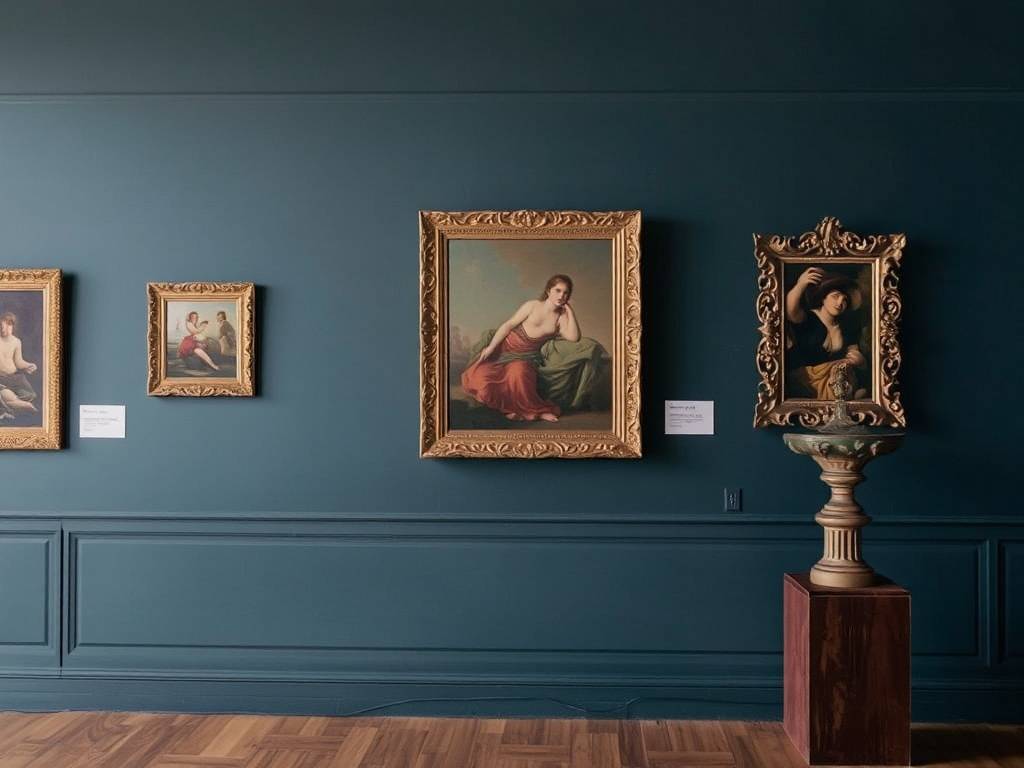
Many collectors are surprised to learn that art is considered a "non-liquid" asset. Unlike stocks or bonds, its value can be subjective and the market can be volatile. This characteristic directly impacts inheritance strategies. Heirs may not have the same emotional attachment or the financial means to cover the potential tax liabilities associated with a high-value collection. This is where proactive planning becomes crucial.
Once you have a clear picture of your collection's value, you can explore the various methods for its transfer. There is no one-size-fits-all solution. The right path depends on your family dynamics, the nature of your collection, and your ultimate wishes for its future. Some collectors dream of keeping the collection intact for generations, while others prioritize providing liquid assets to their heirs.
A last will and testament is the most basic tool for directing the distribution of your assets. You can use your will to specify which pieces go to which beneficiaries. However, relying solely on a will has significant drawbacks. The collection will likely have to go through the public and often lengthy process of probate. This can expose your family's affairs to public record and may lead to disputes among heirs if the instructions are not perfectly clear.
To avoid probate and ensure greater privacy, many collectors turn to a revocable living trust. By transferring the legal ownership of your art collection into a trust, you can manage the assets during your lifetime and provide seamless transfer to your beneficiaries upon your passing. Because the assets are owned by the trust, not you as an individual, they bypass the probate court entirely. This allows for a private, efficient, and often less stressful transition for your family.
One of the most pressing concerns for high-value estates is the potential tax burden. In many jurisdictions, inherited assets can be subject to estate or inheritance taxes. A significant art collection can push an estate's total value into a higher tax bracket, potentially forcing heirs to sell pieces quickly to cover the tax bill. Strategic planning can help mitigate this impact.
Life insurance is a common and effective tool for addressing liquidity needs. By taking out a life insurance policy with a death benefit that covers the estimated tax liability, you can provide your heirs with the immediate cash they need without forcing a fire sale of the art. The policy can be owned by the trust or an heir to keep the proceeds out of your taxable estate.
For collectors who are also philanthropically inclined, donating art to a museum or other qualified institution can be a powerful part of an estate plan. A fractional donation can also be considered, where you donate a percentage of a work over time. This not only supports a cause you believe in but can also provide substantial income and estate tax deductions. It's a way to ensure a masterpiece is preserved and enjoyed by the public while benefiting your financial plan.
Another sophisticated strategy involves the use of a Family Limited Partnership (FLP) or a Limited Liability Company (LLC). By placing your art collection within one of these entities, you can potentially achieve valuation discounts for lack of marketability and minority interests if you gift shares to family members during your lifetime. This can be a complex area requiring expert legal and tax advice, but it can significantly reduce the taxable value of the transferred assets.
Communication is perhaps the most overlooked yet vital component of art estate planning. Your heirs may not share your passion for a particular artist or style. Having an open and honest conversation about your wishes and their desires is invaluable. Do your children want to inherit the collection? Do they have the space and resources to insure and care for it properly? Understanding their perspective can guide your planning decisions and prevent future conflict.
For collections intended to remain together, a "collection management clause" within your trust can be essential. This clause can outline specific instructions for the care, display, and even rotation of the artwork. You can appoint an independent advisor or a family member to oversee these wishes, ensuring your legacy is maintained as you envisioned.
Beyond the financial and legal mechanics, consider the tangible documentation. A detailed inventory, including high-quality photographs, provenance records, condition reports, and appraisals, should be stored safely with your estate planning documents. This "collection dossier" is an invaluable resource for your executor, your heirs, and any future curators or buyers. It tells the complete story of each piece.
The art market is not static, and neither should your estate plan be. It's wise to revisit your plan every three to five years, or after any major life event. Has the value of a particular artist's work skyrocketed? Have your family circumstances changed? A regular review with your attorney, financial advisor, and appraiser ensures your strategy remains aligned with your current situation and goals.
Navigating the world of art and inheritance can feel daunting, but you don't have to do it alone. Building a dedicated team is key. This team should include an estate planning attorney with experience in handling tangible assets like art, a qualified appraiser accredited by a major organization like the International Society of Appraisers or the American Society of Appraisers, and your financial advisor or accountant. This collaborative approach ensures all angles—legal, financial, and market-based—are considered.
Ultimately, estate planning for an art collection is an act of stewardship. It's about honoring the past—the artists, the history, and your personal journey as a collector—while making thoughtful provisions for the future. By taking deliberate, informed steps today, you can transform a potential burden for your loved ones into a cherished and enduring legacy. The frame you build around your collection's future is just as important as the frame around each individual work of art.





发表评论