 admin
adminCrafting Effective Will Plans for Rural Communities: Adapting to Local Asset Realities
When we think about estate planning, our minds often jump to urban professionals with investment portfolios and suburban homes. But what about the farmer who's spent a lifetime cultivating the family land? Or the rural artisan whose workshop has been in the family for generations? Rural estate planning presents unique challenges that standard will templates simply can't address effectively.
The truth is, rural assets aren't just different in value—they're different in nature. They often represent not just wealth, but identity, heritage, and community standing. This makes rural will planning particularly sensitive and complex, requiring specialized approaches that honor both the practical and emotional value of these assets.
Understanding Rural Asset Characteristics
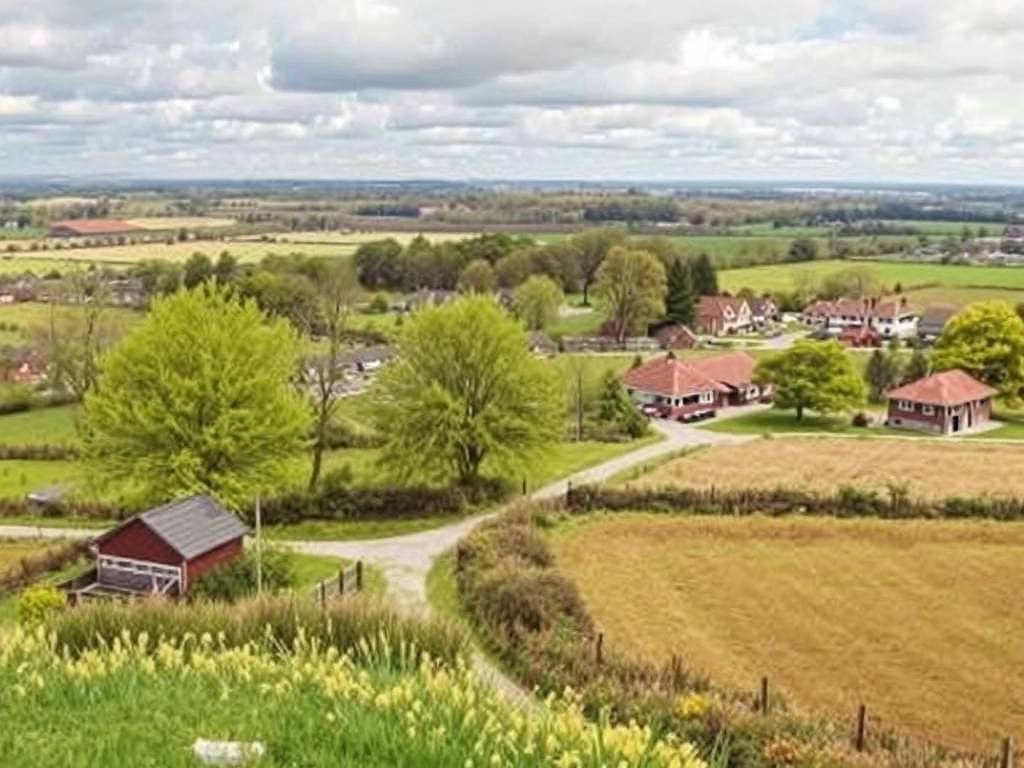
Rural estates typically consist of assets that are fundamentally different from urban holdings. Farmland, agricultural equipment, livestock, timber rights, mineral rights, and family-owned rural businesses form the backbone of these estates. Unlike stocks or bank accounts that can be easily divided, these assets often function best when kept intact.
Consider farmland, for instance. Dividing a 200-acre farm equally among four children might seem mathematically fair, but it could render the land economically unviable for farming. The same applies to family businesses that rely on specialized equipment or locations that can't be easily replicated or divided.
Another crucial aspect is the intergenerational nature of rural assets. Many farms and rural businesses have been passed down through multiple generations, creating deep emotional attachments and family traditions that must be respected in the planning process.
Special Considerations for Agricultural Assets
Agricultural estate planning requires careful thought about operational continuity. A working farm isn't just property—it's a functioning business that may need to continue operating seamlessly through ownership transitions. This means your will should address not just who inherits the land, but how the farming operations will be managed during the transition period.
Farm succession planning must account for both active and non-active heirs. The child who's worked the land alongside you for twenty years may have different needs and expectations than the child who pursued a corporate career in the city. Finding a balance that's fair to all while preserving the farm's viability is perhaps the biggest challenge in rural estate distribution.
Don't forget about specialized equipment and infrastructure. Tractors, irrigation systems, barns, and processing facilities all represent significant investments that may be essential to the ongoing operation. Deciding how these will be distributed—and whether they should stay with the primary operator—requires careful consideration.
Navigating Rural Property Complications
Rural real estate often comes with complexities that urban properties don't face. Water rights, grazing rights, conservation easements, and mineral rights can all be separate from the land itself, creating multiple assets where city dwellers see only one property.
Boundary issues can be particularly tricky in rural areas. Unlike city lots with clearly surveyed boundaries, rural properties might have fence lines that don't match legal descriptions, or traditional use areas that extend beyond deeded boundaries. These issues should be resolved during the planning process to prevent conflicts later.
Zoning and land use regulations also play a significant role. Some rural properties have development restrictions, agricultural preservation easements, or conservation requirements that affect their value and use. Understanding these limitations is essential for creating a realistic estate plan.
Tax Considerations Specific to Rural Estates
Rural estate tax planning requires specialized knowledge of agricultural exemptions and conservation programs. Many jurisdictions offer property tax reductions for agricultural or timberland, but these benefits may be lost if the property use changes after inheritance.
Agricultural property valuation often differs significantly from market valuation for tax purposes. Understanding these differences can help minimize estate taxes while ensuring compliance with tax laws. Conservation easements can also provide both tax benefits and preservation of family lands, but they require careful planning and legal documentation.
Income tax basis issues are particularly important for rural assets that have been held for multiple generations. The step-up in basis rules can significantly impact the capital gains tax liability for heirs who might eventually sell the property.
Addressing Family Dynamics and Fairness
One of the most challenging aspects of rural will preparation is balancing fairness among heirs when assets aren't easily divisible. Equal isn't always equitable when it comes to rural estates. The child who has committed to working the land may need different provisions than children who have chosen other paths.
Family business succession in rural settings often requires creative solutions. Life insurance policies, deferred payment arrangements, or business entities like family limited partnerships can help equalize distributions while keeping the core assets intact.

Communication is key. Many rural estate planning conflicts arise from unspoken expectations and assumptions. Having open family discussions about the future of the property can prevent misunderstandings and conflicts after you're gone.
Practical Steps for Rural Will Creation
Start with a comprehensive asset inventory that goes beyond just listing properties. Document equipment, livestock, crops in progress, government program participations, and any specialized knowledge essential to operating the rural enterprise.
Consider engaging professionals familiar with rural estates. General practice attorneys may not understand the nuances of agricultural law or rural property issues. Look for professionals with specific experience in rural estate planning.
Update your plan regularly. Rural operations evolve—new equipment is purchased, land uses change, family circumstances shift. An estate plan that was perfect five years ago might not reflect current realities.
Create supporting documents beyond the will itself. Operating instructions, maintenance schedules, key contacts, and explanations of why certain decisions were made can all help smooth the transition for your heirs.
Preserving Rural Heritage Through Thoughtful Planning
Ultimately, rural estate planning isn't just about distributing assets—it's about preserving a way of life and honoring family traditions. The extra effort required to create a customized plan pays dividends in family harmony and the continued viability of rural enterprises.
By taking the time to understand the unique characteristics of rural assets and addressing them specifically in your estate plan, you're not just planning for asset transfer—you're ensuring that the land, businesses, and traditions you've built can continue to thrive for generations to come.
Remember, the most successful rural estate plans are those that consider not just the legal requirements, but the human elements that make rural life and assets so special. With careful planning and the right professional guidance, you can create a legacy that honors both your assets and your family's rural heritage.






发表评论