 admin
adminWhen you think about estate planning, you might picture wills, trusts, and family meetings with lawyers. But in today's digital age, there's a new asset class that requires special attention: cryptocurrency. From Bitcoin to Ethereum and countless altcoins, digital assets are becoming a significant part of many people's portfolios. Yet, they come with unique challenges that traditional assets don't. If you own crypto, you need a plan that ensures your loved ones can access and manage these assets if something happens to you. Let's walk through what you need to know.
First, it's important to understand why cryptocurrency is different. Unlike bank accounts or property, crypto is decentralized and accessed through private keys—long strings of characters that act as passwords. If those keys are lost, the assets are gone forever. There's no customer service hotline to call for recovery. This means your estate plan must securely convey access without exposing those keys to risk during your lifetime.
Start by taking an inventory of your digital assets. Make a list of all your cryptocurrency holdings, including the types of coins, their approximate value, and where they are stored. Are they on an exchange like Coinbase, in a software wallet on your phone, or in a hardware wallet like a Ledger device? Don't forget to include any investments in decentralized finance (DeFi) protocols or non-fungible tokens (NFTs). This inventory will be the foundation of your plan.

Next, consider how you'll store access information. You might be tempted to include private keys or seed phrases directly in your will, but this is risky. Wills can become public documents during probate, exposing your secrets. Instead, use a secure method like a password manager or an encrypted digital vault. Tools like LastPass or 1Password allow you to share emergency access with trusted contacts. Alternatively, you could store instructions in a safe deposit box, but ensure your executor knows how to find it.
Now, let's talk about legal documents. Your will or trust should explicitly mention your digital assets, including cryptocurrency. Work with an attorney who understands digital estate planning to draft clauses that grant your executor the authority to access and manage these assets. Some states have laws specifically addressing digital assets, such as the Revised Uniform Fiduciary Access to Digital Assets Act (RUFADAA). Your lawyer can help you navigate these regulations.
In addition to a will, you might create a separate letter of instruction. This isn't a legally binding document, but it can provide practical guidance for your executor. Explain how to find your crypto wallets, how to use your password manager, and any steps needed to transfer assets. Keep this letter updated as you change passwords or acquire new assets. Remember to avoid storing sensitive data like private keys in the letter itself—instead, reference where they can be found securely.
Another key step is choosing the right executor. This person will be responsible for carrying out your wishes, so they need to be tech-savvy and trustworthy. If your family isn't comfortable with technology, consider appointing a professional executor or a digital asset manager. Have an open conversation with them about your crypto holdings and walk them through the basics of access. This can prevent confusion and delays later.
Security is paramount throughout this process. Use multi-signature wallets for large holdings, which require multiple approvals for transactions. This can protect against unauthorized access. Also, consider using a hardware wallet for long-term storage, as they are less vulnerable to hacking. Educate your executor on security best practices, like avoiding phishing scams and using secure networks when accessing your assets.
Tax implications are another critical area. Cryptocurrency is treated as property by the IRS, meaning transfers at death may trigger estate or capital gains taxes. Your heirs will receive a "step-up in basis" on the asset's value at the time of your death, which can reduce their tax burden when they sell. Consult a tax professional to optimize your plan and ensure compliance. Proper documentation of your holdings will make tax filing smoother for your executor.
If you have significant crypto wealth, a trust might be a better option than a will. Trusts can avoid probate, which keeps your asset details private and speeds up distribution. You can set up a revocable living trust that holds your cryptocurrency, with clear instructions for management. This also allows for more control, such as specifying when beneficiaries should receive the assets. An attorney can help you draft a trust that aligns with your goals.
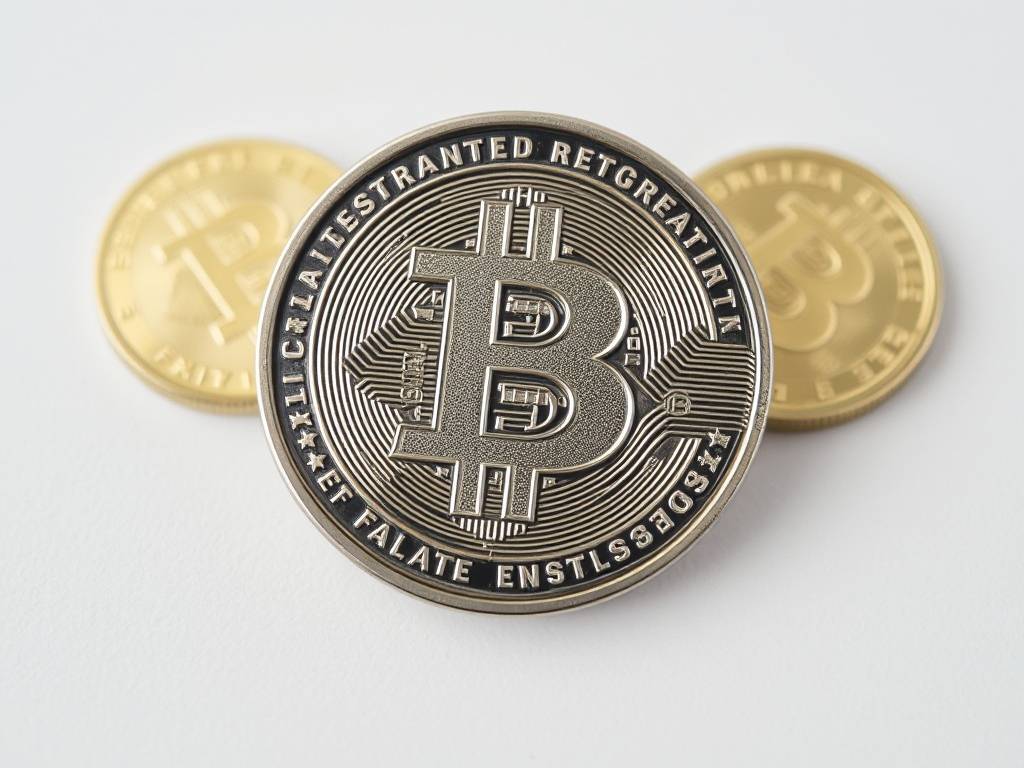
Don't forget about non-fungible tokens (NFTs) and other digital collectibles. These assets might have sentimental or monetary value and should be included in your plan. Provide guidance on how to transfer NFTs, which often involves accessing specific platforms like OpenSea or Rarible. Include any login credentials or wallet keys needed, stored securely as with other crypto assets.
Regularly review and update your plan. The crypto world evolves quickly, with new coins, wallets, and regulations emerging. Set a reminder to revisit your estate plan every year or after major life events. Update your inventory, check that your access methods still work, and confirm that your executor is still willing and able to serve. This proactive approach ensures your plan remains effective.
Finally, communicate with your family. While you don't need to disclose every detail, let them know you have a plan in place and where to find important documents. This can ease their burden during a difficult time. Encourage them to ask questions and involve them in discussions about your wishes. A little preparation now can prevent lost assets and family disputes later.
Estate planning with cryptocurrency might seem daunting, but breaking it down into steps makes it manageable. Start with an inventory, secure your access methods, and work with professionals to create legal documents. By taking these steps, you'll protect your digital legacy and provide clarity for your loved ones. Remember, the goal is to make the process as smooth as possible for those you leave behind.





发表评论