 admin
adminWhen it comes to estate planning, many people focus on creating a legally sound will but overlook a crucial question: where should you store this important document? Your last will and testament represents your final wishes - it's the blueprint for how your assets should be distributed and who should care for your minor children. Losing or damaging this document can create significant complications for your loved ones during an already difficult time.
Choosing the right storage location requires balancing security with accessibility. You need a place that protects against physical damage, theft, or misplacement while ensuring your executor can locate and retrieve the document when needed. Let's explore the most common storage options, weighing the benefits and potential drawbacks of each approach.
Many individuals instinctively reach for the home safe when considering where to keep their will. This approach offers immediate access and doesn't require depending on third parties. Modern home safes provide protection against fire and water damage, with ratings that indicate how long they can withstand specific temperatures. Look for safes with at least a one-hour fire rating and waterproof certification.
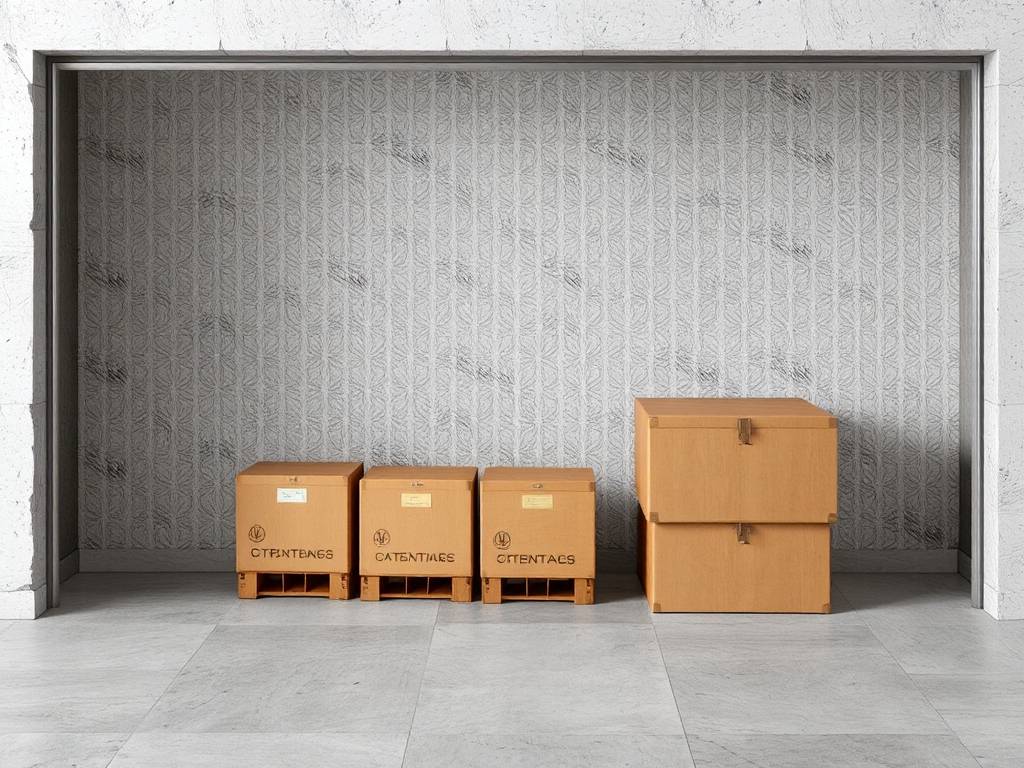
The convenience of home storage comes with certain risks. Even high-quality safes can be vulnerable to theft if not properly secured. Natural disasters like floods or fires might exceed your safe's protective capabilities. There's also the human factor - family members might misplace the key or forget the combination, creating unnecessary obstacles during probate.
If you choose home storage, inform your executor and at least one other trusted person about the location and access method. Consider placing a distinctive label on the safe itself and documenting its location in your estate planning notes. Update this information if you change safes or move to a new residence.
Safety deposit boxes at financial institutions represent another popular storage solution. These metal containers kept within bank vaults offer superior protection against theft, fire, and environmental damage. Banks typically maintain robust security systems including surveillance cameras, alarms, and restricted access protocols.
The security of safety deposit boxes introduces accessibility challenges. Most boxes seal upon the owner's death, requiring court documents for access. This can create a circular problem - your executor needs the will to obtain court permission to access the box containing the will. Some states allow co-ownership or specific authorization procedures to bypass this issue.
Investigate your bank's policies regarding safety deposit box access after death. Some institutions allow "joint tenancy with rights of survivorship" which permits the co-owner immediate access. Others might accept a "power of attorney" designation while you're alive but revoke this authority upon your death. Understanding these procedures in advance prevents delays during probate.
Digital storage solutions have gained popularity in our increasingly connected world. Scanning your will creates a backup copy that survives physical damage to the original. Cloud storage services offer remote access from any location with internet connectivity. Many platforms provide robust encryption and regular backups to protect against data loss.
Despite their convenience, digital copies cannot replace original signed documents for probate purposes. Most jurisdictions require the original signed will with appropriate witnesses. Digital storage works best as a supplementary measure rather than your primary solution.
When using digital storage, ensure your executor has login credentials or access instructions. Password managers can securely store this information while designating emergency contacts. Consider using estate planning platforms that specialize in document storage and sharing with authorized individuals.
Some individuals choose to store their will with their attorney who drafted it. Law firms often provide secure storage as part of their estate planning services. They typically maintain climate-controlled, access-restricted facilities specifically designed for important documents. Your attorney also understands the legal requirements for proper execution and storage.
Storing with your attorney does create dependency on a specific practice. If the attorney retires, relocates, or passes away, retrieving your document might become complicated. Law firm mergers or closures could also impact accessibility. Ensure you have a written agreement detailing storage terms and retrieval procedures.
Before choosing this option, ask about the firm's disaster recovery plans, successor arrangements, and how they handle document transfers if you decide to change legal representation. Request written confirmation of storage arrangements and keep this with your personal records.
A growing number of people are utilizing professional will registry services. These specialized companies focus exclusively on storing estate planning documents. They often combine physical storage with digital access systems, providing multiple retrieval options for your executor. Many offer nationwide accessibility, which proves valuable if your executor lives in a different state.
When evaluating registry services, inquire about their security protocols, backup systems, and customer support availability. Understand their fee structure - some charge one-time storage fees while others require annual subscriptions. Verify their business stability and read independent reviews before entrusting them with your important documents.
Regardless of your chosen storage method, communication remains the most critical element. Your carefully stored will becomes useless if your executor cannot locate it. Have a direct conversation with your chosen executor about the document's location and access requirements. Provide written instructions that someone can easily find among your personal papers.
Consider creating an "estate planning cheat sheet" that lists key contacts including your attorney, financial advisor, and accountant. Note the location of your will, trust documents, insurance policies, and other important paperwork. Update this document annually and share copies with trusted individuals.
Some situations might warrant using multiple storage methods simultaneously. You might keep the original with your attorney, a digital copy in cloud storage, and inform your executor of both locations. This layered approach provides redundancy if one method fails. Just remember to update all copies if you create a new version of your will.
When creating multiple copies, implement a version control system. Date each document clearly and indicate which version is the most current. Destroy previous versions to prevent confusion about your final wishes. Inconsistent multiple copies can create legal challenges if different versions surface after your passing.
Periodic reviews of your storage arrangements prove equally important as the initial choice. Life changes like moving to a new home, changing attorneys, or appointing a new executor should trigger a reassessment of your storage solution. Mark your calendar to review storage arrangements annually when you check other important documents.
If you need to transport your will temporarily - for example to meet with your attorney for updates - take special precautions. Use a locked briefcase or bag and avoid leaving the document in your vehicle. Make copies before traveling in case the original gets lost or damaged en route.
International considerations arise if you own property in multiple countries or if your executor lives abroad. Some countries have specific requirements about where wills must be stored, particularly for real estate holdings. Consult with legal professionals in each relevant jurisdiction to ensure compliance with local laws.
For individuals with complex estates including business interests, intellectual property, or international assets, specialized storage solutions might be necessary. Your corporate attorney might store documents related to business succession plans while your estate attorney holds personal documents. Create a master index that connects all these elements.
The emotional aspect of will storage deserves consideration. Some family members might feel excluded or concerned if they cannot access the document location. Open communication about your choices can prevent misunderstandings. Explain that these precautions protect everyone's interests and ensure your wishes get carried out properly.
Modern technology continues to create new storage possibilities. Blockchain-based will storage emerges as a potential solution, creating tamper-proof digital records with time-stamped verification. While not yet widely accepted in probate courts, these technologies might become standard in coming years. Stay informed about legal developments in this area.
Regardless of which storage method you select, the most common mistake is failing to inform the appropriate people. The perfect security system becomes a liability if no one can access your will when needed. Balance security with practical accessibility, remembering that this document ultimately serves your loved ones.
Your will represents your voice after you're gone. Taking the time to store it properly ensures that voice gets heard clearly. By choosing a secure, accessible storage solution and communicating the details to your executor, you provide one final gift of clarity and peace of mind to those you leave behind.





发表评论