 admin
adminThe Ultimate Legacy Trust Legal Risk Response Plan: Safeguarding Your Family's Future
When you've taken the important step of establishing a legacy trust, you've demonstrated foresight in protecting your assets and providing for future generations. However, many trust creators mistakenly believe that once the documents are signed, their work is complete. The reality is that without a comprehensive legal risk response plan, your carefully structured legacy trust remains vulnerable to challenges that could undermine your intentions and create family conflict.
A legacy trust legal risk response plan serves as your proactive strategy to identify, manage, and mitigate potential threats to your trust arrangement. Whether you're concerned about beneficiary disputes, changing tax regulations, or trustee mismanagement, having a systematic approach to risk management ensures your legacy remains protected according to your wishes.
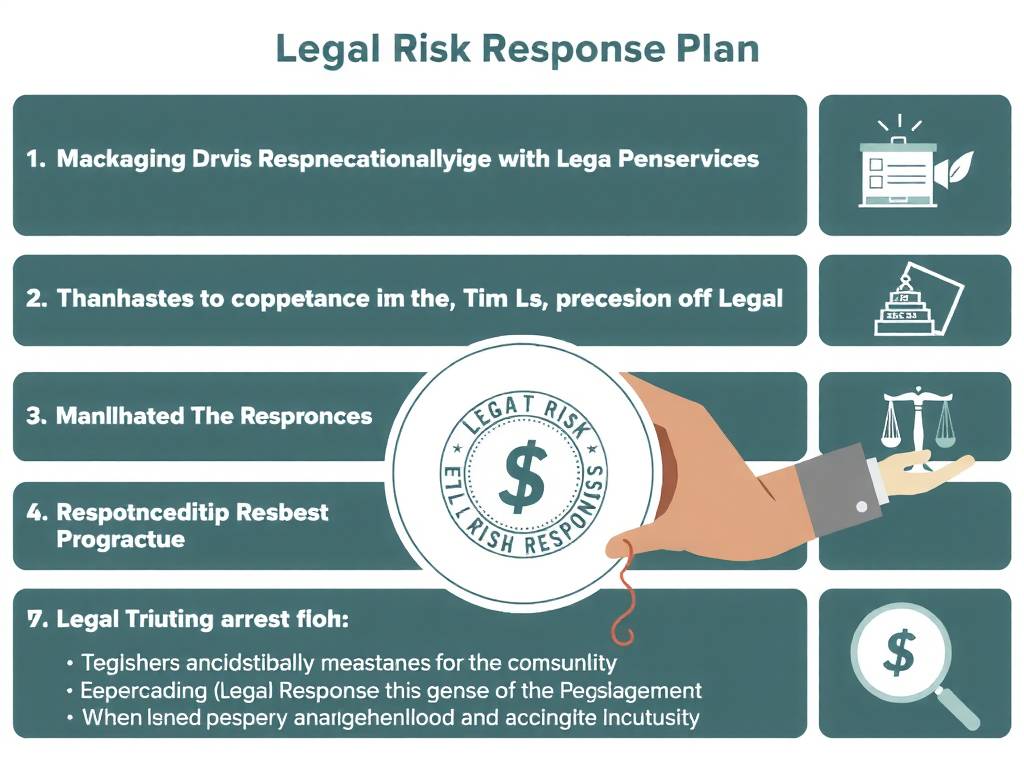
Understanding Common Legal Risks to Legacy Trusts
Legacy trusts face numerous potential threats that can compromise their effectiveness and longevity. Beneficiary challenges represent one of the most common risks, particularly in blended families or situations where distributions are unequal. Disgruntled heirs may contest the trust's validity based on claims of undue influence, lack of capacity, or improper execution.
Tax law changes present another significant concern. As estate tax exemptions fluctuate with political administrations, trusts that seemed tax-efficient when created may become vulnerable to unnecessary taxation. The 2017 Tax Cuts and Jobs Act, for instance, nearly doubled the federal estate tax exemption, but this provision is scheduled to sunset in 2026, potentially creating tax complications for unprepared trusts.
Trustee performance issues can also jeopardize your legacy. Even well-chosen trustees may make poor investment decisions, fail to properly administer distributions, or neglect their fiduciary duties. Without proper oversight mechanisms, such mismanagement can significantly deplete trust assets over time.
Developing Your Legacy Trust Risk Assessment Framework
The foundation of any effective response plan begins with thorough risk assessment. Start by conducting a comprehensive review of your trust documents with an experienced estate planning attorney. This review should identify potential vulnerabilities in language, distribution triggers, trustee powers, and other provisions that might invite challenges.
Next, evaluate your family dynamics objectively. Consider potential conflict points among beneficiaries and whether your current trust structure adequately addresses these tensions. As attorney Maria Rodriguez of Heritage Law Group notes, "Nearly 70% of trust disputes stem from unclear language or perceived inequalities in distribution schedules. Addressing these issues proactively can prevent costly litigation later."
Finally, assess external factors including changing regulations, economic conditions, and the long-term viability of your investment strategy. A trust established decades ago may contain provisions that are no longer optimal under current laws or financial landscapes.
Key Components of an Effective Legal Risk Response Plan
Your legacy trust protection strategy should include several essential elements that work together to create a robust defense system. The trustee selection and succession plan forms the cornerstone of your risk management approach. Rather than relying on a single individual, consider appointing co-trustees or incorporating institutional trustees who can provide professional management continuity.
Clear communication protocols represent another critical component. While you may prefer to keep specific details private, providing beneficiaries with appropriate information about the trust's purpose and general provisions can prevent misunderstandings that lead to disputes. Many trust challenges arise from beneficiaries feeling excluded or uninformed about the settlor's intentions.
Regular trust review and amendment procedures ensure your plan evolves with changing circumstances. Schedule formal reviews every three to五年, or whenever significant life events occur such as marriages, divorces, births, or substantial changes in financial status. These reviews provide opportunities to adjust provisions that may have become problematic due to legal or personal changes.
Implementing Proactive Trust Administration Monitoring
Ongoing oversight represents one of the most overlooked aspects of legacy trust protection. Establish a system for regular accounting reviews by an independent professional to ensure proper administration. This monitoring should verify that distributions comply with trust terms, investments align with the stated purpose, and trustee fees remain reasonable.
Consider incorporating trust protectors into your structure, particularly for irrevocable trusts where you cannot easily make changes yourself. These independent professionals have authority to modify certain trust provisions in response to changing laws or circumstances, providing crucial flexibility while maintaining the trust's integrity.
Documentation of trustee decisions creates an important protective paper trail. Require trustees to maintain detailed records of significant decisions, including their rationale and consideration of beneficiary interests. This documentation can prove invaluable if trustee actions are later challenged.
Addressing Specific Threat Scenarios
Your response plan should outline specific protocols for different risk scenarios. For potential beneficiary challenges, establish a mediation-first approach that requires attempting resolution through alternative dispute resolution before pursuing litigation. This not only preserves family relationships but also conserves trust assets that might otherwise be depleted by legal fees.
In cases of suspected trustee misconduct, your plan should designate who has standing to investigate concerns and what steps should be taken. This might include requesting formal accounting, consulting with a trust litigation attorney, or petitioning for trustee removal if necessary.
For tax law changes, work with your estate planning team to identify trigger events that would necessitate trust modifications. Having predetermined thresholds for review ensures timely responses to legislative developments that could impact your trust's tax efficiency.
Integrating Professional Guidance into Your Risk Management Strategy
While personal vigilance is important, professional expertise remains essential for comprehensive legacy trust protection. Your advisory team should include an estate planning attorney with specific experience in trust administration and litigation, a tax professional familiar with fiduciary matters, and potentially a corporate trustee for professional administration.
Establish regular check-ins with your professional team, even when no immediate issues are apparent. These proactive consultations can identify emerging risks before they develop into significant problems. As financial advisor James Whitfield observes, "The most effective trust protection strategies I've seen involve ongoing relationships with professionals who understand both the technical and family dynamics aspects of the trust."
What are the most common reasons legacy trusts get challenged?
The majority of challenges arise from claims of insufficient mental capacity, undue influence by another party, improper execution of documents, or ambiguous terms that lead to different interpretations. Blended families often see challenges when children from previous relationships feel disadvantaged compared to current spouses or new children.
How often should we review our legacy trust risk response plan?
Formal comprehensive reviews should occur at least every three to五年, or whenever significant life events, tax law changes, or substantial shifts in asset values occur. More frequent informal check-ins can help identify emerging issues between formal reviews.
Can a properly structured legacy trust ever be completely immune to challenges?
While no trust can be made entirely challenge-proof, a well-drafted document combined with a comprehensive risk response plan significantly reduces both the likelihood and success rate of challenges. Proper planning focuses on eliminating the most common grounds for disputes and establishing clear mechanisms for addressing concerns before they escalate into litigation.
Your legacy represents more than just financial assets—it embodies your values, your life's work, and your vision for future generations. By implementing a thorough legal risk response plan, you transform your legacy trust from a static document into a dynamic protection system that adapts to changing circumstances while preserving your fundamental intentions. The peace of mind that comes from knowing your legacy remains secure regardless of future uncertainties is perhaps the greatest gift you can give your heirs.




发表评论