 admin
adminProtecting Your Legacy: A Practical Guide to Trust Privacy and Security
When establishing a legacy trust, many individuals overlook critical privacy and security considerations until it's too late. Your financial legacy represents more than just assets—it's the culmination of your life's work and values. Without proper safeguards, sensitive family information could become vulnerable to public exposure or fall into the wrong hands. This comprehensive guide provides actionable steps to ensure your legacy trust remains secure and private for generations to come.
Understanding Trust Privacy Fundamentals
Trust privacy extends far beyond simple confidentiality. It encompasses how your trust information is protected from unauthorized access, public disclosure, and potential legal challenges. Many grantors mistakenly believe that creating a trust automatically guarantees privacy, but the reality requires deliberate planning and ongoing vigilance.
The level of privacy your trust enjoys depends largely on your jurisdiction and the specific provisions you include. Revocable trusts typically offer less privacy protection than irrevocable trusts, as they remain part of your estate for certain legal purposes. Understanding these distinctions from the outset helps you make informed decisions about which trust structure best serves your privacy needs.
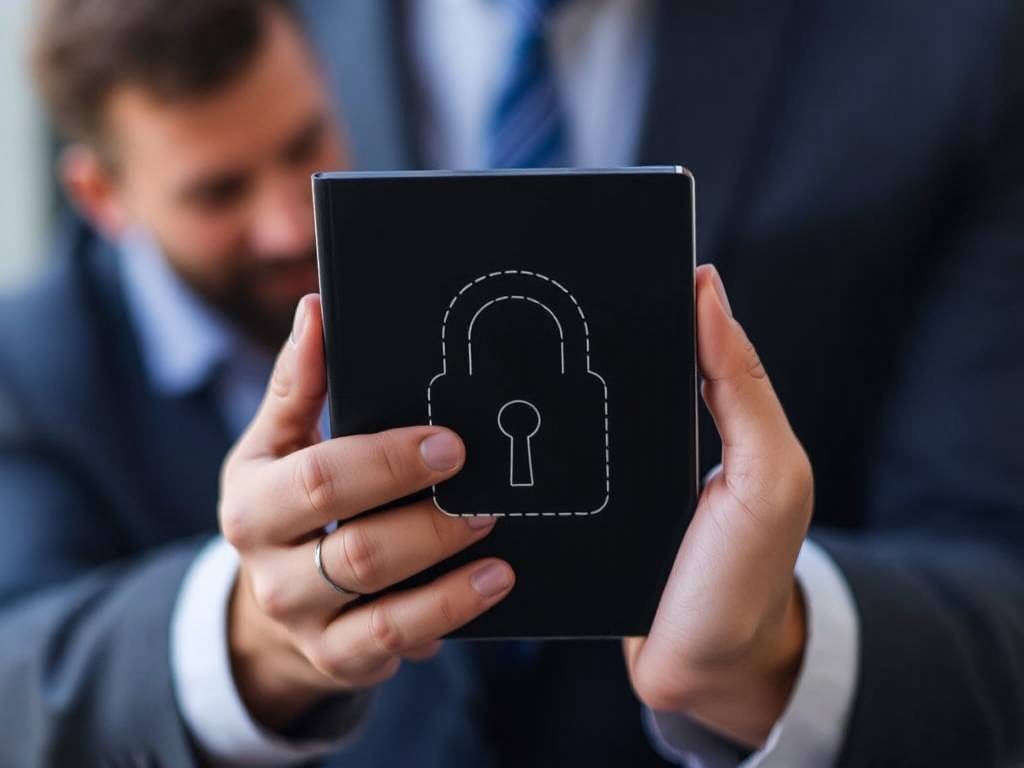
Essential Security Measures for Modern Trusts
Digital Asset Protection Strategies
In today's interconnected world, digital assets require specialized protection within your trust framework. From cryptocurrency wallets to social media accounts, these assets present unique security challenges that traditional estate planning often overlooks.
Begin by creating a comprehensive digital inventory that lists all your online accounts, digital currencies, and electronic files. Store this information separately from your main trust documents using encrypted storage solutions. Consider appointing a digital executor specifically trained to handle these assets, ensuring they understand the technical requirements and security protocols necessary to protect your digital legacy.
Document Storage and Access Controls
Physical document security remains crucial despite increasing digitalization. Your trust documents should be stored in a fireproof, waterproof safe or a secure safety deposit box. Limit access to these documents to only those individuals who absolutely need it, maintaining detailed records of who views them and when.
For electronic copies, implement multi-factor authentication and encryption. Regularly update passwords and security protocols, ensuring that any cloud storage providers you use maintain enterprise-level security certifications. Establish clear procedures for updating these documents while maintaining version control to prevent confusion or disputes later.
Building a Privacy-Focused Trust Structure
Choosing the Right Jurisdiction
The location where you establish your trust significantly impacts its privacy protections. Some states and countries offer stronger privacy laws than others, with specific regulations governing trust information disclosure. Delaware, Nevada, and South Dakota, for instance, provide particularly favorable trust privacy environments within the United States.
When selecting a jurisdiction, consider factors beyond just privacy—including tax implications, creditor protection, and administrative efficiency. Consult with an attorney specializing in trust law to determine which jurisdiction best aligns with your overall objectives while maximizing privacy protections.
Strategic Trustee Selection and Communication
Your choice of trustee directly influences your trust's privacy and security. While family members may seem like natural choices, professional corporate trustees often bring enhanced security protocols and privacy safeguards. They typically maintain stricter confidentiality standards and have established procedures for handling sensitive information.
If you prefer a family member or friend as trustee, consider appointing a professional co-trustee to handle administrative functions. This approach combines personal understanding with professional expertise, creating a balanced team capable of protecting your privacy interests while maintaining the personal touch you desire.
Implementing Ongoing Privacy Monitoring
Establishing privacy protections is only the beginning—maintaining them requires continuous effort. Schedule regular privacy audits to review who has access to your trust information and how it's being protected. These audits should examine both digital and physical security measures, identifying potential vulnerabilities before they can be exploited.

Stay informed about legal developments that might affect trust privacy in your jurisdiction. Laws governing trust disclosure and privacy evolve regularly, and what protects your information today might not suffice tomorrow. Work with your legal advisor to implement necessary changes promptly, ensuring your trust remains compliant with current regulations while maximizing privacy.
Addressing Common Privacy Concerns
How can I prevent beneficiaries from disputing trust terms and exposing private information? Include clear no-contest clauses and alternative dispute resolution provisions requiring mediation or arbitration before court involvement. These measures encourage private resolution of conflicts while discouraging unnecessary litigation that could publicize trust details.
What happens if my trustee shares confidential information improperly? Incorporate specific confidentiality agreements into your trust documents that trustees must sign before assuming their duties. These legally binding documents outline consequences for privacy breaches, including potential removal and financial liability for damages caused by unauthorized disclosures.
Can trust information be protected from public records requests? Properly structured trusts generally avoid probate, which is a public process. However, certain legal challenges or creditor claims might still expose trust details. Working with experienced counsel to draft your trust using specific protective language can minimize these risks significantly.
Establishing robust privacy and security measures for your legacy trust requires careful planning and ongoing attention. By implementing these practical strategies—from selecting the right jurisdiction to maintaining proper document security—you create a foundation that protects your family's information while ensuring your wishes are carried out as intended. Remember that trust protection isn't a one-time event but an ongoing commitment to safeguarding what matters most to you and your loved ones.



发表评论