 admin
adminWhen you've spent your life building a legacy on rural land, ensuring its smooth transition to the next generation becomes one of your most important responsibilities. Unlike urban real estate, rural properties come with unique complexities—from sprawling acreage and agricultural operations to water rights and conservation considerations. Without proper planning, your heirs could face significant legal hurdles, tax burdens, and family disputes that might compromise the very legacy you've worked so hard to create.
Many landowners put off this crucial task, thinking it's too complicated or that a simple will is sufficient. However, passing down rural assets requires careful thought and specialized strategies. This guide will walk you through the essential steps to protect your property and provide clarity for your loved ones.
Understanding what makes your rural property unique is the first step toward effective planning. Rural estates often include diverse assets that require individual attention.
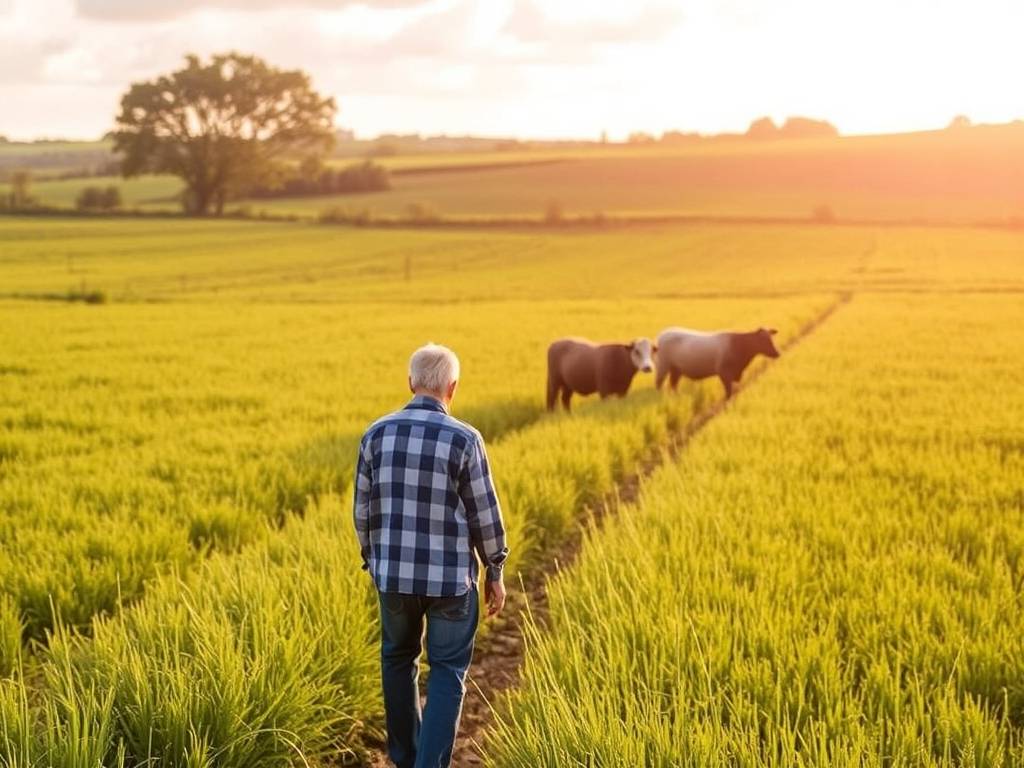
The land itself is more than just a parcel. You need to consider its classification—is it agricultural, timberland, or recreational? Each classification comes with different legal considerations and tax implications. The boundaries must be clearly documented, with surveys updated and easements properly recorded.
Agricultural operations bring another layer of complexity. If your property includes working farms or ranches, you're not just passing down land but an ongoing business. This includes livestock, equipment, crops, and operational contracts that need to be addressed in your estate plan.
Water rights can be among the most valuable assets in rural areas, yet they're often overlooked. These rights may be separate from the land itself in some jurisdictions. You'll need to document whether you hold riparian rights, appropriative rights, or groundwater rights, and ensure they're properly transferred.
Mineral rights present another consideration. In many regions, mineral rights can be separated from surface rights. If you own these valuable subsurface rights, they need specific mention in your estate documents to ensure proper transfer.
Conservation easements or land under special tax programs require particular attention. If you've enrolled in programs that provide tax benefits for keeping land in agricultural or conservation use, you'll need to understand the transfer rules to maintain those benefits.
The buildings and infrastructure on your property—from farmhouses and barns to irrigation systems and fences—all need to be accounted for in your plan.
Before creating your estate plan, you'll want to conduct a comprehensive inventory of all your rural assets. List every component of your property, noting location, value, and any special circumstances. This documentation will prove invaluable when working with legal and financial professionals.
Choosing the right ownership structure for your situation requires careful consideration of several options.
A last will and testament provides basic instructions for asset distribution. While better than no plan at all, a will must go through probate court, which can be public, time-consuming, and expensive for complex rural estates.
A revocable living trust offers significant advantages for rural property owners. By transferring your assets into a trust during your lifetime, you maintain control while avoiding probate. This allows for a private, efficient transfer to your beneficiaries. Trusts are particularly useful for out-of-state property or when you have specific management instructions for the transition period.
For working farms and ranches, business entities like limited liability companies (LLCs) or corporations can provide liability protection and facilitate smoother succession. These structures allow you to transfer ownership shares gradually while maintaining operational continuity.
Joint ownership with right of survivorship automatically transfers your interest to the surviving owner upon your death. While simple, this approach may not provide the nuanced planning needed for complex rural assets.
Transfer-on-death deeds are now available in many states, allowing real estate to pass directly to named beneficiaries without probate. However, they may not provide the comprehensive planning capabilities of a trust.
Tax considerations for rural landowners require special attention to preserve wealth for future generations.
The federal estate tax exemption currently shields most estates, but high-value rural properties—especially when including business value—may exceed this threshold. Proper planning can help minimize this potential burden.
Stepped-up basis is a significant benefit for inherited assets. When your heirs inherit property, its tax basis is "stepped up" to the current market value, potentially reducing capital gains tax if they later sell the property.
Special-use valuation can provide substantial estate tax savings for qualifying agricultural property by valuing it based on its current use rather than highest potential use. This requires meeting specific criteria and filing proper elections.
State inheritance taxes vary significantly, with some states having their own estate or inheritance taxes with different exemptions and rates than federal law.
Conservation easements not only protect land but can also provide current income tax deductions and estate tax benefits by reducing the property's taxable value.
Family considerations often present the most emotionally challenging aspects of estate planning.
If you have multiple children but only one interested in continuing the farming operation, equal distribution might not be fair or practical. Solutions include providing non-farming heirs with other assets or life insurance proceeds, while the farming child receives the operational assets.
Creating a succession plan for the farming operation itself is crucial. This might involve gradually transferring management responsibilities and ownership shares during your lifetime to ensure a smooth transition.
If your intended heirs lack experience, consider establishing a management transition period with experienced advisors or operators to mentor them.
Communication with family members about your plans can prevent misunderstandings and conflicts later. While these conversations can be difficult, they're essential for family harmony.
For landowners without direct heirs, you might consider options like transferring the property to a conservation organization, educational institution, or employees who have worked with you for years.
Working with professionals who understand rural properties is essential to proper planning.
Look for an estate planning attorney with experience in rural properties and agricultural law. They should understand the unique aspects of your assets and location-specific issues.
Your accountant or financial advisor should be familiar with agricultural taxation and valuation issues. They can help structure your plan to minimize tax burdens.
If your property includes specialized assets like timber or mineral rights, you may need appraisers with expertise in these areas to ensure proper valuation.
Insurance professionals can help ensure you have adequate coverage for your unique risks and help structure policies as part of your overall plan.
Regular review and updates keep your plan current with life changes and law revisions.
Major life events like marriage, divorce, births, or deaths in the family should trigger a plan review. Similarly, significant changes to your property—such as acquiring additional land, changes in operation, or substantial appreciation in value—warrant revisiting your documents.
Laws affecting estate planning and rural property change periodically. Having your attorney review your plan every three to five years ensures it remains compliant with current regulations.
Keeping your asset inventory updated as you make improvements or changes to your property ensures your plan reflects reality.
Proper documentation and secure storage of your estate planning materials gives everyone peace of mind. Your heirs should know where to find important documents when needed.
Store originals in a secure location like a fireproof safe or bank safety deposit box, and provide copies to your attorney, executor, and trusted family members.
Create a comprehensive information packet for your executor that includes not just legal documents but also practical information about operating the property, key contacts, and where to find important records.
Consider creating a "transition notebook" that outlines daily operations, seasonal tasks, vendor relationships, and other practical knowledge that's essential for managing your rural property.
Discuss your plans with the key people involved—your executor, trustee, and family members—so everyone understands your intentions and their roles.
While estate planning for rural assets requires more thought than typical estate planning, the peace of mind it brings is invaluable. Knowing that the land you've cherished and improved will transition smoothly to the next generation—according to your wishes and with minimal burden on your loved ones—is perhaps the greatest legacy you can leave.
Taking the first step is often the hardest part. Begin by inventorying your assets, then consult with professionals who can help you create a customized plan that addresses your unique situation. Your foresight today will protect your legacy for generations to come.






发表评论